If you are drawn to space, privacy, and big-sky views, acreage living near Cochrane can feel like a dream. It also comes with a rhythm that changes in very real ways from season to season, from spring road bans to winter snow response on rural roads. When you understand those patterns, you can picture daily life more clearly and make a more confident move. Let’s dive in.
Why Cochrane acreage living feels different
Acreage living near Cochrane is not just suburban life with a bigger lot. Rocky View County describes rural living as a lifestyle shaped by open space, tranquility, wildlife, changing weather, road conditions, and regular agricultural activity. That mix creates a setting where your property offers more room and privacy, but also asks more of you throughout the year.
What makes this area especially appealing is the balance between rural space and town access. In Cochrane, you are close to more than 500 hectares of parks and open spaces, more than 80 kilometers of trails, pathways, and sidewalks, and the SLS Centre, which the town describes as one of Alberta’s largest multiuse recreation facilities. In other words, you can enjoy a quieter home base without giving up convenient recreation nearby.
The Bow River shapes the lifestyle
The Bow River is part of daily identity around Cochrane, not just a scenic backdrop. The Town of Cochrane’s Bow River Strategy describes the river corridor as habitat, recreation space, and a place for community connection. That matters if you are considering an acreage nearby, because the landscape around you is actively used, valued, and managed.
For many buyers, this is a major part of the draw. Acreage living here is often less about isolation and more about living close to a natural corridor that supports trails, gathering spaces, and access to the outdoors. Your home may feel private, but the broader setting remains connected to how people spend their time year-round.
Spring on an acreage near Cochrane
Spring is usually a season of thaw and transition. In Rocky View County, seasonal road bans are used during spring thaw to protect roads, and those bans apply to commercial and heavy vehicles while passenger vehicles and recreational vehicles are exempt. If you are moving, renovating, or planning deliveries, that seasonal detail can affect timing.
This is also one of the busiest times in the rural calendar. Rocky View County notes that spring calving season brings extra activity for farm and ranch operations, so the countryside can feel especially active even while the weather is still shifting out of winter.
Weather can stay unsettled longer than some buyers expect. Historical Cochrane climate normals show measurable precipitation in every month, with snow depth still present at month-end in March and April. Spring here often feels like a gradual handoff rather than an instant start to warm-weather living.
The Bow River also becomes part of the spring story. Cochrane has issued spring high-streamflow advisories when snowmelt and rainfall push flows up, which can affect riverbanks and low-lying access points. If river proximity is part of what attracts you, spring conditions are worth keeping in mind.
What spring often means for you
- Expect variable ground conditions and slower transitions into full outdoor use
- Plan heavier vehicle activity around seasonal road rules
- Watch local river and runoff conditions if you spend time near water access
- Treat spring as a setup season for the busier months ahead
Summer brings the full outdoor lifestyle
Summer is when acreage living near Cochrane tends to feel the most expansive. Outdoor spaces become part of everyday life, and long evenings make patios, lawns, and view corridors feel especially valuable. This is the season when many buyers can most easily picture the lifestyle they want.
At the same time, summer also highlights some of the practical realities of rural property ownership. Rocky View County maintains about 1,600 kilometers of gravel roads, and its dust-control program begins in May and usually finishes by the end of July. Homes next to gravel roads can receive one free dust-control application each year, and the county notes that dry, windy weather can increase dust.
That point matters because dust is one of the clearest sensory differences between acreage life and city life. Depending on your road exposure, lot layout, and landscaping, it can shape how you use outdoor areas and how you think about home siting.
Summer weather can change quickly as well. Cochrane climate normals show June and July as the wettest months, with 80.4 mm and 69.7 mm of precipitation respectively. Warm stretches are often interrupted by rain and fast-moving skies, which is part of the foothills character many people love.
Recreation is close at hand in summer
One of the biggest advantages of acreage living near Cochrane is that your private space is paired with strong public recreation nearby. Glenbow Ranch Provincial Park protects more than 1,300 hectares along the Bow River between Calgary and Cochrane. It supports non-motorized day-use recreation and includes the Trans Canada Trail connection.
In summer, Glenbow Trail is open for biking, e-biking, and hiking. Combined with Cochrane’s river corridor and town trail network, that gives you a wide range of easy day-to-day options close to home. For many homeowners, that nearby access is what turns acreage living from a property choice into a lifestyle choice.
Fall is the season for winter prep
Fall can be beautiful near Cochrane, but it is also practical. This is usually the point in the year when acreage owners start thinking less about outdoor entertaining and more about getting ahead of winter. If you own more land, more driveway, or more exposed outdoor infrastructure, that seasonal shift matters.
Rocky View County notes that harvest can keep farmers and ranchers working around the clock in late summer. Rural roads that feel quiet in midsummer can become busier with machinery and seasonal traffic. That is simply part of living in an area where agricultural activity remains part of the landscape.
Climate patterns are another reason fall tends to feel preparation-focused. Cochrane climate normals show month-end snow depth returning in October, November, and December. On an acreage, fall is often less about stretching summer a little longer and more about using the season wisely before snow becomes a regular factor.
Helpful fall mindset for acreage buyers
- Think ahead about access, storage, and outdoor maintenance
- Expect changing road activity during harvest periods
- Use the season to prepare for snow, ice, and colder temperatures
- See fall as a transition period, not an afterthought
Winter is where acreage living becomes real
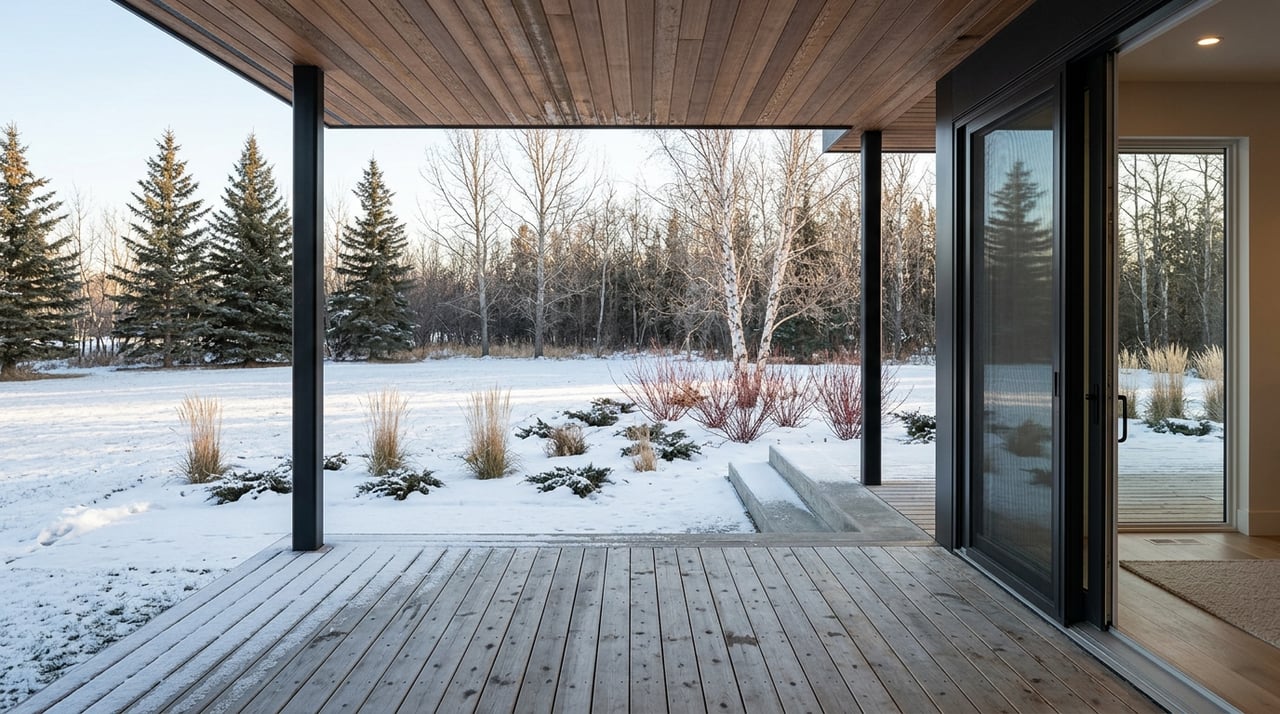
Winter is the season that most clearly separates acreage living from in-town living. The scenery can be stunning, but daily logistics matter more. If you are considering an acreage near Cochrane, this is the season to understand clearly.
Rocky View County’s snow and ice guidance notes that some rural or seasonal roads are plowed only by request. Gravel roads are plowed when snow reaches 10 cm, and driveway windrows left by plows or graders are the resident’s responsibility. County crews also prioritize main roads first, with initial service windows that can take up to 36 hours on Priority 1 roads and 60 hours on Priority 2 roads.
The county also points to Chinook-driven freeze-thaw cycles that can create icy conditions. That means winter living often feels more self-reliant and less instantly serviced than city living. For the right buyer, that is a reasonable trade for space and privacy, but it should be understood upfront.
Winter still offers plenty to enjoy
Acreage life near Cochrane does not go quiet in winter. It simply changes shape. Glenbow Trail remains open in winter for e-biking, fat biking, and hiking, which gives you an easy local option for fresh air and movement.
For broader winter recreation, Alberta Parks says Kananaskis Country has many ski trails for all levels of skiers. If your day trip includes Kananaskis or the Bow Valley, Alberta requires a Conservation Pass for vehicles parked in provincial park and public land sites there. Closer to home, the SLS Centre offers a strong indoor option when roads are messy or temperatures drop.
Practical realities to know year-round
Some of the most important parts of acreage living are not dramatic, but they do shape your experience across every season. Rocky View County requires fire burn permits for open burning, and permits are suspended during fire bans or advisories. The county can also fine outdoor burning during a ban.
Wildlife is another part of daily rural life. Rocky View County advises residents to enjoy wildlife from a distance and not feed it. That guidance supports both safety and stewardship, and it is part of what makes rural living feel distinct from a more urban setting.
Taken together, these details tell a clear story. Summer brings long outdoor use and dust-control considerations, spring brings thaw and road bans, fall brings harvest activity and winter prep, and winter brings slower road service and more planning. The reward is space, privacy, and a stronger connection to the landscape around you.
Is an acreage near Cochrane right for you?
If you want more land, a quieter setting, and easy access to foothills and river-country recreation, Cochrane-area acreages offer a compelling lifestyle. They can be especially appealing if you value privacy, outdoor living, and a home that feels connected to the landscape instead of tucked into a conventional suburban pattern.
The key is to match the romance of acreage life with a realistic view of the seasons. When you understand how roads, weather, recreation, and property responsibilities shift through the year, you are in a much better position to choose well. That kind of clarity often leads to better decisions and a more satisfying long-term fit.
If you are exploring acreage living near Cochrane and want a thoughtful, high-touch perspective on the lifestyle and property options, connect with Bearspaw Real Estate.
FAQs
What is acreage living near Cochrane like in spring?
- Spring near Cochrane is usually a gradual thaw with changing road conditions, seasonal road bans for heavy vehicles, active farm and ranch operations, and occasional high-streamflow conditions along the Bow River.
What should buyers know about summer on an acreage near Cochrane?
- Summer often brings the fullest outdoor lifestyle, but buyers should also expect gravel road dust in some areas, changing weather, and easy access to recreation like Glenbow Ranch Provincial Park and Cochrane’s trail systems.
How does fall feel on a Cochrane-area acreage?
- Fall is typically a transition season focused on winter preparation, with harvest activity on rural roads and climate patterns that suggest snow can return earlier than many buyers expect.
What are winter road conditions like on acreages near Cochrane?
- Winter road service in Rocky View County can be slower than in town, with main roads prioritized first, some roads plowed only by request, gravel roads plowed at 10 cm of snow, and driveway windrows handled by the resident.
What recreation options support acreage living near Cochrane year-round?
- Nearby options include Cochrane’s parks, trails, the Bow River corridor, the SLS Centre, Glenbow Trail for multiple seasons, and broader day-trip access to Kananaskis Country recreation.
What practical rules matter for acreage owners near Cochrane?
- Open burning requires a fire burn permit in Rocky View County, permits are suspended during bans or advisories, and residents are advised to enjoy wildlife from a distance without feeding it.