By Bearspaw Real Estate
Good sleep starts long before your head hits the pillow. It starts with the room itself, and how well it supports your body's natural rhythm. If you've been wondering how to design a sleep-friendly home, a few thoughtful adjustments to temperature, light, noise, and color can make a real difference, and Bearspaw's setting happens to offer a few natural advantages worth taking advantage of.
Key Takeaways
- A cooler bedroom, roughly 60 to 71 degrees Fahrenheit, tends to support better sleep.
- Darkness reinforces your body's natural circadian rhythm.
- Reducing noise helps prevent the frequent awakenings that hurt sleep quality.
- Calming colors and a tidy space both contribute to a more restful room.
Keep the Temperature on the Cooler Side
Temperature plays a bigger role in sleep quality than many people realize. Sleep experts generally recommend keeping the bedroom somewhere between 60 and 71 degrees Fahrenheit, since excess heat can disrupt rest even when everything else about the room is right.
A programmable thermostat set to cool things down before bedtime is an easy way to build this into your routine without much extra thought.
A programmable thermostat set to cool things down before bedtime is an easy way to build this into your routine without much extra thought.
Ways to Manage Bedroom Temperature
- Aim for a range of roughly 60 to 71 degrees Fahrenheit.
- Use breathable bedding materials in warmer months.
- Set your thermostat to cool the room slightly before bedtime.
Make the Room as Dark as Possible
Darkness helps reinforce your body's natural circadian rhythm, which is part of why blackout curtains and low, warm lighting in the evening tend to make such a noticeable difference. Avoiding screens for at least an hour before bed helps too, since blue light from devices can interfere with your body's natural wind-down process.
Bearspaw has a genuine advantage here. Much of the community sits without streetlights, meaning the night sky, and the darkness inside a well-curtained bedroom, comes far more naturally than it does in a brightly lit urban neighborhood.
Bearspaw has a genuine advantage here. Much of the community sits without streetlights, meaning the night sky, and the darkness inside a well-curtained bedroom, comes far more naturally than it does in a brightly lit urban neighborhood.
Ways to Darken Your Bedroom
- Add blackout curtains to block exterior light.
- Choose low-brightness, warm-toned lighting for evenings.
- Limit screen use for at least an hour before bed.
Reduce Noise for Deeper Rest
External noise can cause frequent awakenings throughout the night, even ones you don't fully remember in the morning, which chips away at overall sleep quality. A white noise machine or calming background sound can help mask sudden noises and keep your sleep more consistent.
This is another area where Bearspaw's rural, spacious setting works in your favor. Larger lots and quieter surroundings naturally reduce a lot of the background noise that comes with denser neighborhoods.
This is another area where Bearspaw's rural, spacious setting works in your favor. Larger lots and quieter surroundings naturally reduce a lot of the background noise that comes with denser neighborhoods.
Ways to Minimize Nighttime Noise
- Use a white noise machine or calming background sound.
- Choose heavier curtains, which can help dampen outside noise too.
- Keep bedroom doors closed to reduce sound from other parts of the home.
Choose Calming Colors and Keep It Tidy
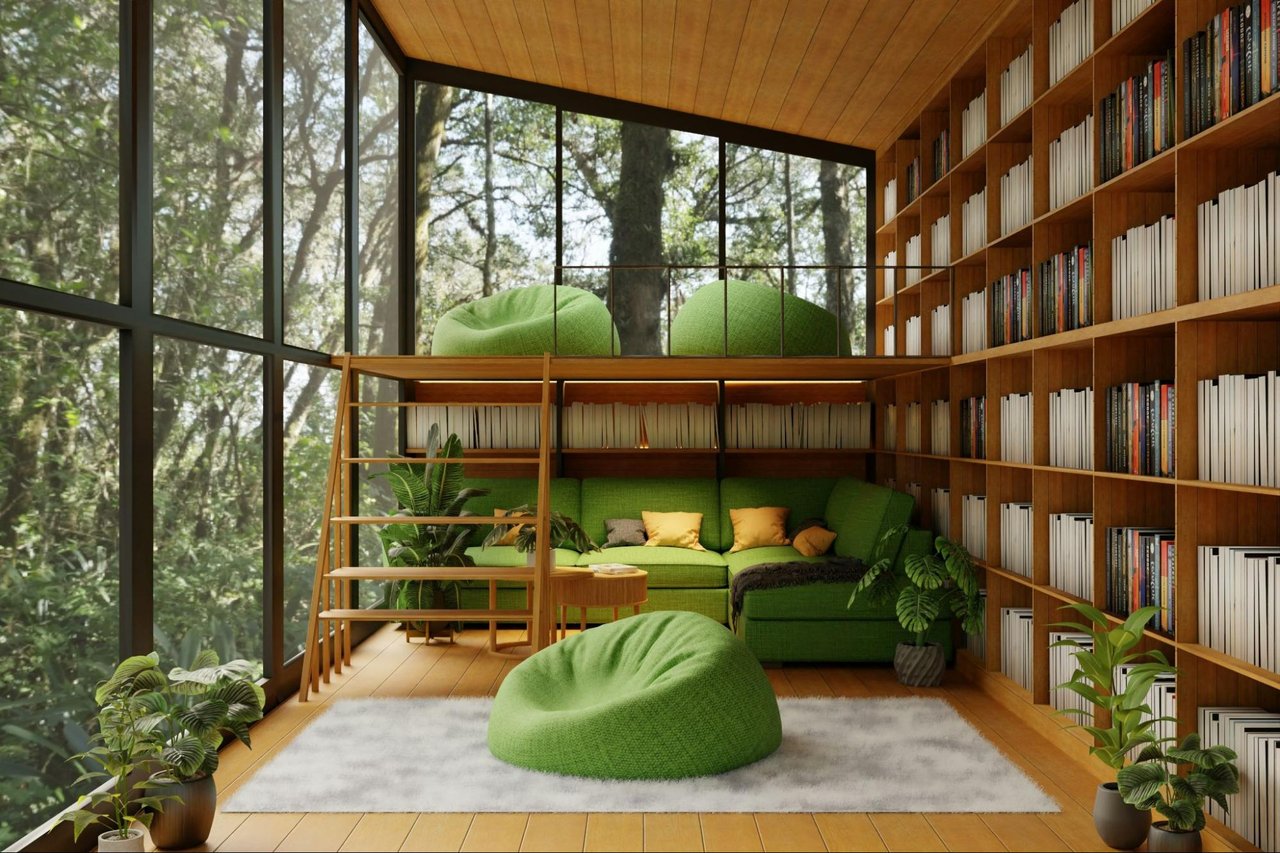
Color has a real effect on how relaxed a room feels. Softer, warmer tones tend to create a more calming atmosphere, and shades of blue and green are often highlighted as especially sleep-friendly choices, though personal preference always matters most.
Clutter matters too. A visually messy room can quietly generate stress that works against good sleep, even if you don't consciously notice it. Spending just a few minutes a day tidying up can prevent that buildup from ever becoming overwhelming.
Clutter matters too. A visually messy room can quietly generate stress that works against good sleep, even if you don't consciously notice it. Spending just a few minutes a day tidying up can prevent that buildup from ever becoming overwhelming.
Simple Ways to Calm the Space
- Choose soft, warm colors or calming shades of blue and green.
- Spend a few minutes daily picking up clutter before it builds up.
- Keep surfaces clear to create a visually calm environment.
Frequently Asked Questions About Designing a Sleep-Friendly Bedroom
What's the ideal bedroom temperature for sleep?
Most sleep experts recommend somewhere between 60 and 71 degrees Fahrenheit, with cooler rooms generally supporting better rest.
Do blackout curtains really make a difference?
Yes, blocking exterior light helps reinforce your body's natural circadian rhythm, which can lead to more consistent, restful sleep.
How much does clutter actually affect sleep?
More than people expect. A visually cluttered room can create low-level stress that interferes with relaxation, even if you're not consciously aware of it.
Ready to Find a Home Built for Better Rest?
Between the quiet, spacious lots and genuinely dark night skies, Bearspaw real estate offers a setting that naturally supports the restful environment every bedroom deserves.
If you're thinking about your next move, we'd love to help you find a home that fits the life you're building. Connect with us at Bearspaw Real Estate to begin exploring the market.
If you're thinking about your next move, we'd love to help you find a home that fits the life you're building. Connect with us at Bearspaw Real Estate to begin exploring the market.