By Bearspaw Real Estate
A great home office does more than simply house a desk. It shapes how productive, comfortable, and genuinely focused your workday feels. If you've been putting off figuring out how to design a home office that actually works for you, a few intentional choices around layout, ergonomics, and lighting can make all the difference.
Key Takeaways
- Natural light and a bit of separation from the rest of the house go a long way.
- An ergonomic setup supports your body through long workdays.
- Lighting and temperature both influence focus more than people expect.
- A few plants and smart storage tie the whole space together.
Pick a Spot With Natural Light and Real Separation
Where you set up matters just as much as what you put in the room. Positioning your desk near a window brings in natural light that supports better energy and focus throughout the day, while creating some physical separation from the rest of your home helps signal to your brain when it's time to work.
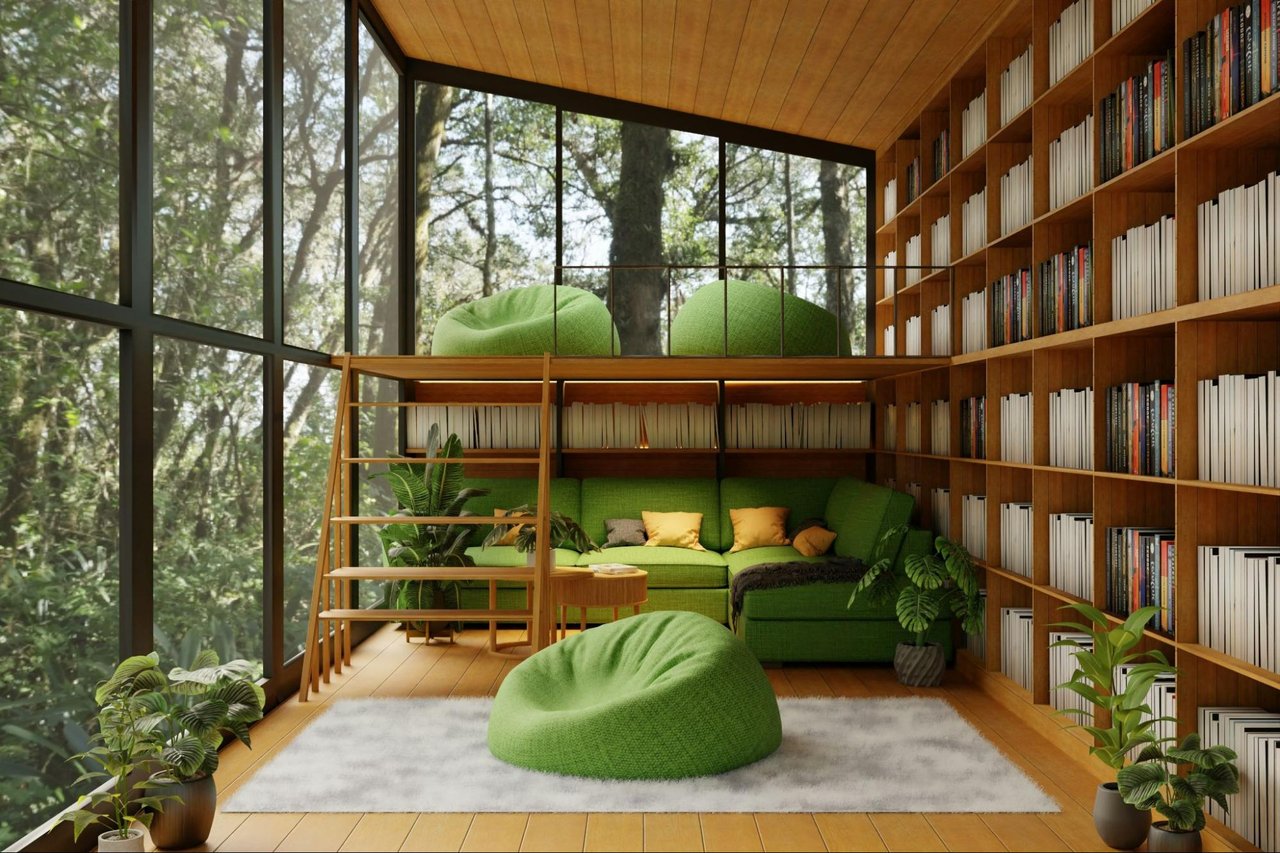
Bearspaw's larger acreage homes tend to make this easier than most. Many come with a dedicated den, bonus room, or flex space that's perfectly suited to a proper home office, rather than a corner carved out of a shared living area.
Bearspaw's larger acreage homes tend to make this easier than most. Many come with a dedicated den, bonus room, or flex space that's perfectly suited to a proper home office, rather than a corner carved out of a shared living area.
What to Look For in a Home Office Spot
- A window nearby for natural light throughout the day.
- Some physical separation from busy, shared spaces.
- Enough room for a proper desk setup without feeling cramped.
Build an Ergonomic Setup That Supports You All Day
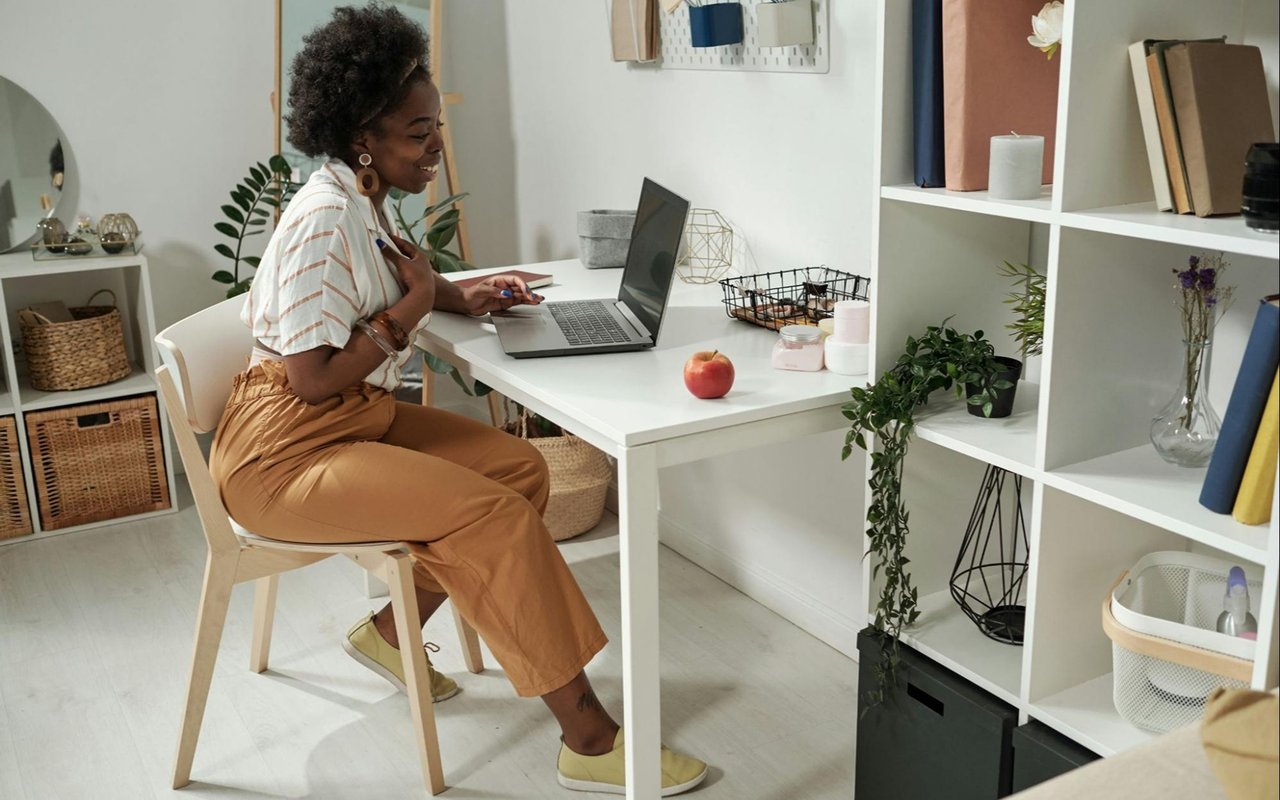
Comfort matters more over an eight-hour workday than most people realize. Your monitor should sit roughly at eye level, and your elbows should form close to a 90-degree angle while typing, with your feet resting flat on the floor. An ergonomic chair with real lumbar support is generally worth prioritizing over a fancier desk, since it has a bigger impact on how your body feels by the end of the day.
Getting these basics right from the start prevents a lot of the discomfort that builds up gradually and eventually becomes hard to ignore.
Getting these basics right from the start prevents a lot of the discomfort that builds up gradually and eventually becomes hard to ignore.
Ergonomic Basics Worth Getting Right
- Monitor positioned at eye level to reduce neck strain.
- A supportive chair that keeps your feet flat on the floor.
- Keyboard and mouse positioned to keep wrists neutral.
Get the Lighting and Temperature Right
Lighting affects more than how a room looks. Daylight-spectrum bulbs mimic natural sunlight and tend to support energy and alertness far better than harsh fluorescent lighting, and positioning your monitor to avoid glare makes screen time noticeably easier on your eyes.
Temperature plays a role too. A room that's too warm or too cold can quietly chip away at focus, so keeping your workspace in a comfortable range helps you stay sharp for longer stretches.
Temperature plays a role too. A room that's too warm or too cold can quietly chip away at focus, so keeping your workspace in a comfortable range helps you stay sharp for longer stretches.
Small Adjustments That Make a Big Difference
- Use daylight-spectrum bulbs instead of harsh overhead lighting.
- Position your monitor to avoid glare from windows or lamps.
- Keep the room at a comfortable, consistent temperature.
Personalize With Plants and Smart Storage
A little greenery does more than decorate a desk. Research from the University of Exeter found that workers in spaces with plants reported roughly 15% higher productivity, making a simple potted plant one of the easiest upgrades you can make.
Storage matters too, though it's worth decluttering thoroughly before buying anything new. Once you know exactly what you need to store, choosing shelving or organizers becomes a much simpler decision.
Storage matters too, though it's worth decluttering thoroughly before buying anything new. Once you know exactly what you need to store, choosing shelving or organizers becomes a much simpler decision.
Finishing Touches Worth Adding
- A plant or two for both style and a genuine productivity boost.
- Shelving or storage chosen after decluttering, not before.
- Personal touches like artwork that make the space feel like yours.
Frequently Asked Questions About Designing a Home Office
What's the single most important investment for a home office?
A supportive, ergonomic chair tends to matter more than almost anything else, since it directly affects how comfortable you are through a full workday.
Does natural light really make a difference in productivity?
Yes. Natural light supports healthier energy levels and focus, which is why positioning a desk near a window is worth prioritizing when possible.
Do plants actually improve productivity, or is that just a nice idea?
There's real research behind it. Workers in spaces with plants have reported measurably higher productivity, making it a simple, low-cost upgrade.
A Workspace Worth Building Around
A well-designed home office isn't just about getting through the workday. It's about creating a space that genuinely supports how you think and work best, something Bearspaw's spacious homes make easier to achieve than most.
Curious what kind of home could make room for the office you're picturing? Get in touch with Bearspaw Real Estate, and let's find out together.
Curious what kind of home could make room for the office you're picturing? Get in touch with Bearspaw Real Estate, and let's find out together.