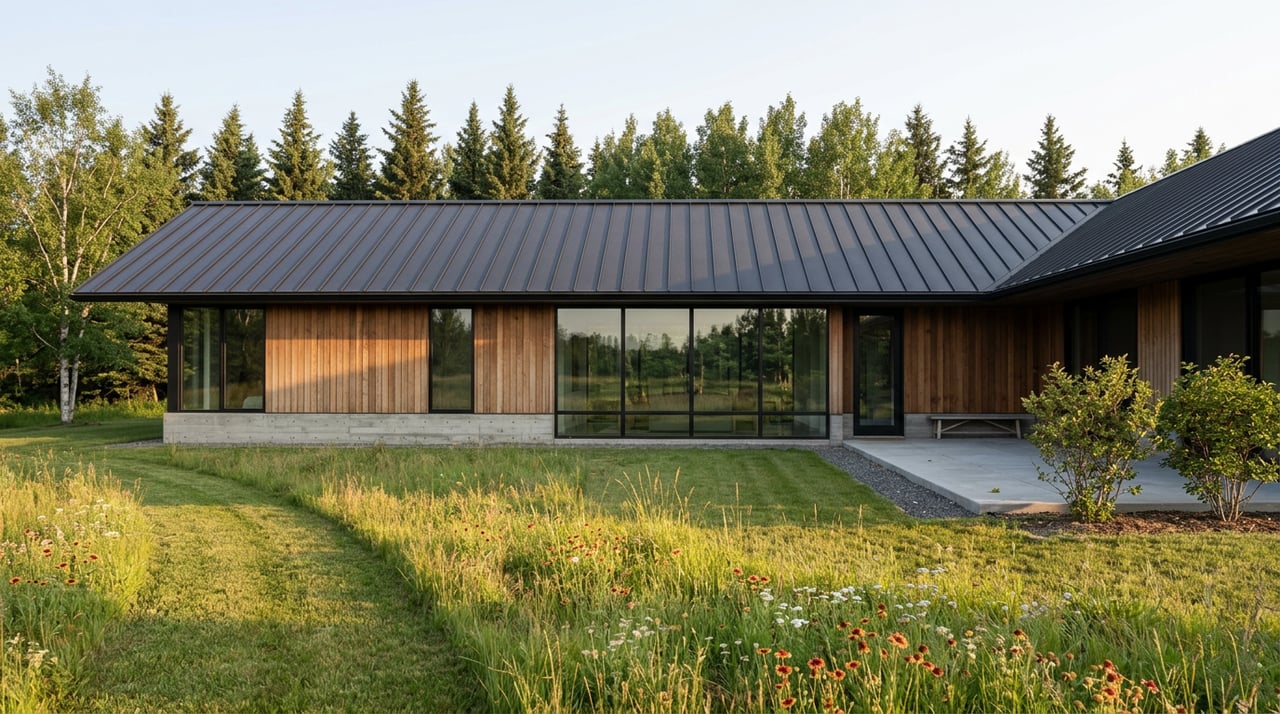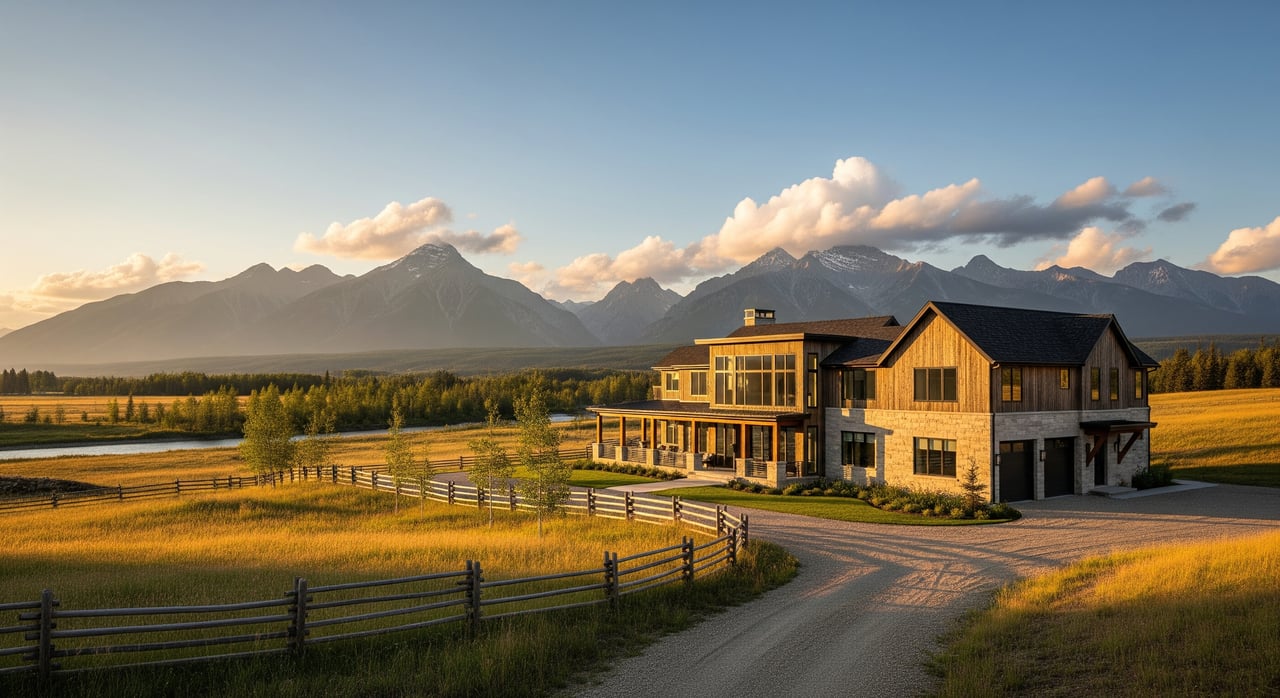
Craving open space, big skies and room for your hobbies, without giving up access to shops and services? If you are eyeing an acreage near Cochrane, you are not alone. Many buyers want privacy and land while staying close to Calgary and Cochrane amenities. In this guide, you will learn how Cochrane-area acreages work, what to check before you buy, and how to set up utilities and services with confidence. Let’s dive in.
Why Cochrane acreages appeal
The lay of the land
Cochrane sits along the Bow River in Census Division No. 6, just west of Calgary. Acreages can be within the Town of Cochrane in select country-residential pockets, but most are in neighbouring Rocky View County. You get a mix of treed and open parcels, rolling topography, and outbuildings like barns or shops.
Buyers often choose this area for privacy, hobby farming or equestrian use, and access to nature. You still enjoy town conveniences like groceries, restaurants and clinics, with big-city services a reasonable drive away in Calgary.
Commute and everyday access
Highway 1A, Highway 22 and the Trans-Canada corridor connect Cochrane to Calgary and the wider region. Drive times vary by address and traffic patterns, so verify routes with mapping tools and local knowledge. Year-round access is an important value driver, especially if a property uses a long private driveway or unpaved road.
Climate and seasons
Southern Alberta winters bring cold, snow and freeze-thaw cycles. Spring run-off can affect drainage and road conditions. Seasonal changes matter for wells, septic systems, and driveway maintenance. In some landscapes, wildfire risk is a factor, so plan for defensible space and confirm local fire services.
Town vs county: know your jurisdiction
Inside Cochrane limits
If a property lies within the Town of Cochrane, it may have municipal water, sewer and town-managed roads. Development and building permits come from the town, and the local land-use bylaw governs what you can build and how you can use the property. Setbacks, riparian buffers and permit history should be reviewed before you plan changes.
Rocky View County acreages
Most rural acreages around Cochrane are in Rocky View County. These properties commonly use private wells and onsite wastewater systems. You must follow county land-use rules and permitting processes for new builds, additions, shops and businesses. Utility availability, road maintenance responsibilities and animal allowances can vary by zoning and lot size.
Zoning and permitted uses
Acreage zoning might be country residential, agricultural or rural residential. Each category has different permitted and discretionary uses. If you plan to add a shop, keep animals, or run a home-based business, confirm zoning, setbacks and permit requirements with the responsible municipality. Ask for a zoning confirmation letter and check for any active orders or development contraventions.
Utilities and services to confirm
Water: well or municipal
You will see two types of water supply. Parcels inside town or certain serviced areas connect to municipal water. Most rural parcels rely on private groundwater wells. For wells, request well logs, pump tests and recent water quality results. Confirm depth, yield and potability with bacterial and chemical analyses. Seasonal performance matters, so review history if available.
Wastewater: septic or sewer
Some properties tie into municipal sewer, but most rural acreages use onsite wastewater systems. Capacity, age and maintenance records are critical. Ask for permits and pump-out records. If you plan renovations or additional bedrooms, confirm the system can support the change, and whether soil percolation and space allow for upgrades or a new field.
Power, gas and heat
Electricity is widely available, but extending service to a new outbuilding can add cost. Natural gas does not reach every rural property. Many owners use propane, oil or electric heat. Confirm availability, tank ownership or rental agreements, and delivery schedules. Budget for seasonal fuel usage and potential price fluctuations.
Internet and cell coverage
Rural broadband can be limited or vary address by address. Common options include fixed wireless, satellite and specialized rural plans. Check provider coverage for the exact address and consider a speed test during your showing window. Cell coverage depends on terrain and carrier, so test in multiple spots on the property.
Roads, snow and waste
Clarify whether access is via municipal road, county road, or a private lane. Long private driveways require snow clearing, gravel upkeep and grading. If a driveway is shared, ask for a written maintenance agreement. Waste and recycling pickup may not extend to rural addresses, so plan for private service or trips to facilities in town.
Risk and environmental checks
Floodplain and riparian
Proximity to the Bow River or local creeks brings flood and riparian considerations. Review provincial and municipal floodplain mapping and confirm any riparian setbacks that apply. Ask about historical drainage issues, spring run-off patterns and any engineered improvements like swales or culverts.
Energy infrastructure and easements
Title searches often reveal easements and rights-of-way for pipelines, high-tension lines or access. Alberta has legacy oil and gas infrastructure across the region. Confirm whether any active or abandoned wells or pipelines exist on or near the land, and understand required setbacks and use restrictions.
Slope, wetlands and wildfire
Steep slopes, wetlands and conservation overlays can limit where you build or expand. If a property includes treed areas, consider wildfire mitigation and insurance implications. Ask the seller to disclose any environmental assessments or previous engineering work.
Financing and insurance essentials
How lenders view acreages
Lenders evaluate rural properties differently than standard town homes. You may see larger down payment requirements, specific appraisal standards, and conditions around well and septic. Mortgage insurers have rules that can affect eligibility based on land use, outbuildings and services. Work with a mortgage professional familiar with rural financing.
Appraisals, surveys and timelines
Appraisers may need more time to locate comparable rural sales. If your offer includes well and septic inspections, or if you need a new survey, expect a longer conditional period. Title reviews, encumbrance checks and municipal confirmations can also extend timelines. Build this into your negotiation strategy.
Insurance considerations
Rural insurance can include coverage for wells, septic failures, outbuildings and livestock, along with wildfire or overland flood options. Be transparent about all uses and structures. Carriers assess risk differently for rural parcels, so get quotes early and compare coverage details, not just premiums.
Due diligence timeline
Before you write an offer
- Confirm the exact legal description and parcel boundaries.
- Review zoning and permitted uses for your intended plans.
- Check existing services and ask for recent utility bills if available.
- Ask for well logs, water test results and septic maintenance records.
- Obtain the current certificate of title and review easements, caveats and covenants.
Conditional period checklist
- Book a full home inspection, plus focused inspections for wells, water quality and septic systems.
- Confirm floodplain status, riparian buffers and any conservation or environmental constraints.
- Verify permit history for the home and outbuildings.
- If boundaries matter for fencing or future plans, arrange a survey or have property pins located.
- Confirm road maintenance responsibility and, if shared, review agreements.
Budgeting for ownership
- Snow and road care: Plowing, sanding and grading for private lanes.
- Heating and fuel: Propane or other fuel deliveries, plus tank rental if applicable.
- Water and septic: Regular water testing, well servicing, and septic pump-outs.
- Insurance: Coverage for rural risks and specialty structures.
- Land care: Mowing, tree work, fire mitigation and outbuilding upkeep.
Lifestyle and community fit
Animals, shops and home business
If you plan to keep animals or run a home-based business, review land-use rules and minimum lot sizes for your zoning. Some properties restrict animal types or numbers. For new shops, barns or suites, you will need to meet setbacks, building codes and sometimes design or environmental standards.
Schools and health services
Cochrane has a range of community amenities, with additional services available in Calgary. School catchments and transportation vary by address and school authority. Health services include local clinics in Cochrane, and hospitals are accessible in the broader region. Verify specifics for your property and family needs.
How Bearspaw Real Estate helps
Buying an acreage is exciting, but it is also technical. You are evaluating water, wastewater, access, zoning, easements and the home itself, often across large parcels. That is where a trusted local guide adds serious value.
Bearspaw Real Estate blends deep local roots with design and site-planning expertise. You get clear advice on siting, additions and outbuildings, plus a vetted network for well and septic testing, surveys and environmental checks. Our concierge-style process keeps inspections, permits and documentation on track while you focus on lifestyle fit and long-term value.
If you are relocating to a Cochrane-area acreage, we can curate properties that match your vision, verify the technical details, and negotiate terms that protect your interests. When you are ready, connect with Bearspaw Real Estate to Request a Luxury Tour.
FAQs
What makes Cochrane-area acreages different from town homes?
- Acreages often have private wells and septic systems, larger lots with outbuildings, and more owner responsibility for roads and services, which affects due diligence and costs.
How do I check if a Cochrane acreage is in a floodplain?
- Review municipal and provincial floodplain mapping for the Bow River and local creeks, and confirm riparian setbacks and any past drainage issues with the seller.
What should I ask about a private well before buying?
- Request the well log, recent pump test, and water quality results, then confirm depth, yield and potability through current testing during your conditional period.
How are septic systems evaluated on rural properties near Cochrane?
- Ask for permit records and pump-out history, then arrange a professional inspection to assess capacity, condition and suitability for planned renovations or added bedrooms.
Do lenders treat rural acreages around Cochrane differently?
- Yes. Some lenders require larger down payments, rural-specific appraisals and proof of well and septic condition, so work with a broker experienced in acreage financing.
Who handles snow removal on long rural driveways?
- Owners are typically responsible for private lanes. If a driveway is shared, confirm a written maintenance agreement and expected costs with all parties.
Can I keep horses or build a shop on my acreage?
- It depends on zoning, lot size, and municipal rules. Confirm permitted uses, setbacks and permits with the Town of Cochrane or Rocky View County before you buy.