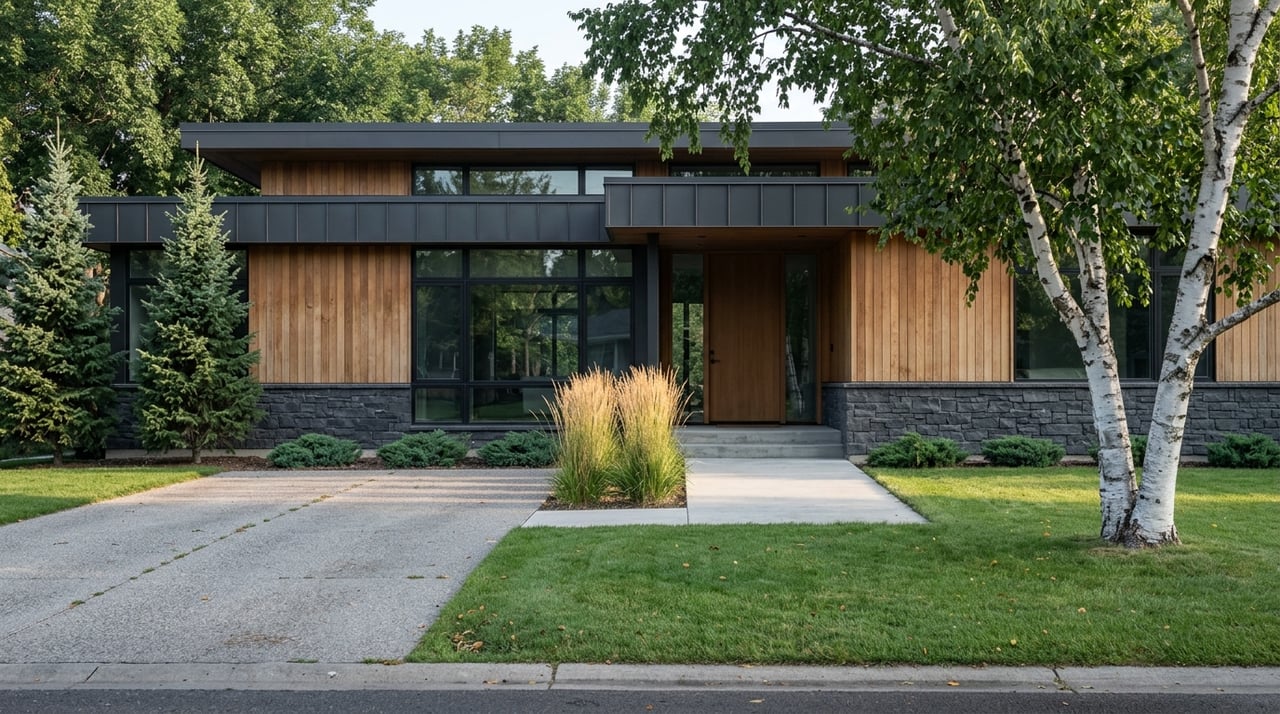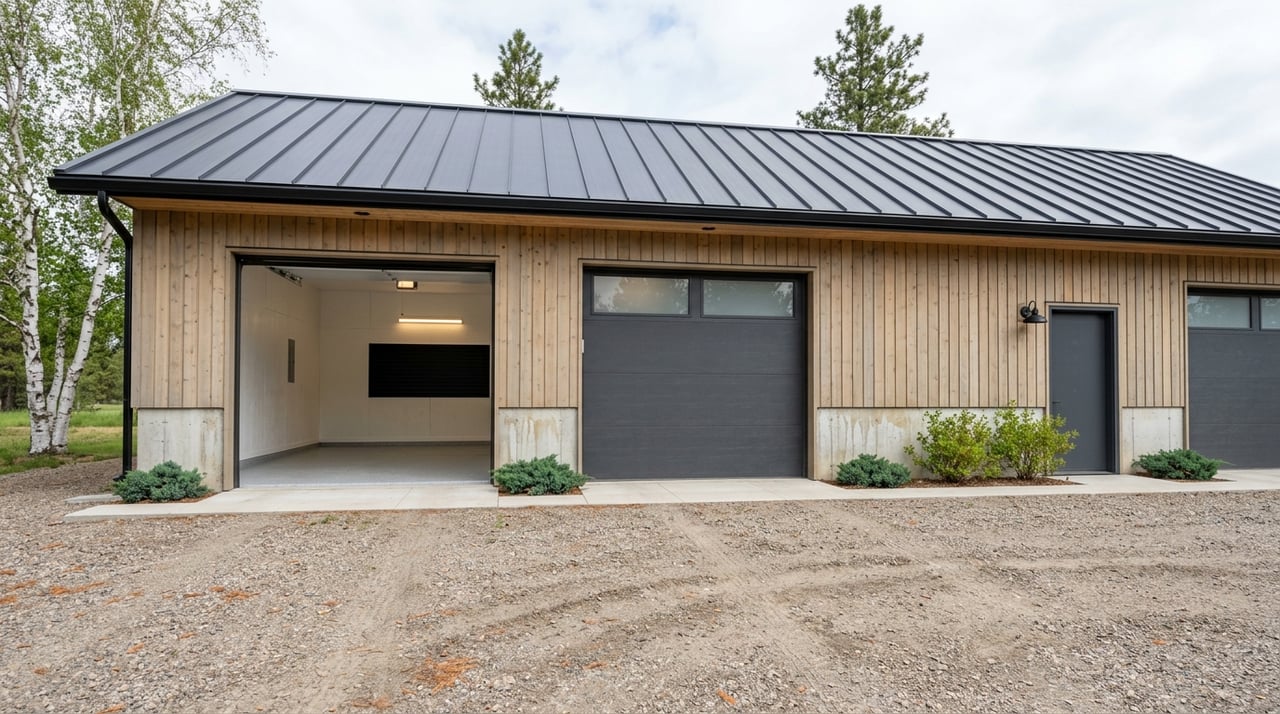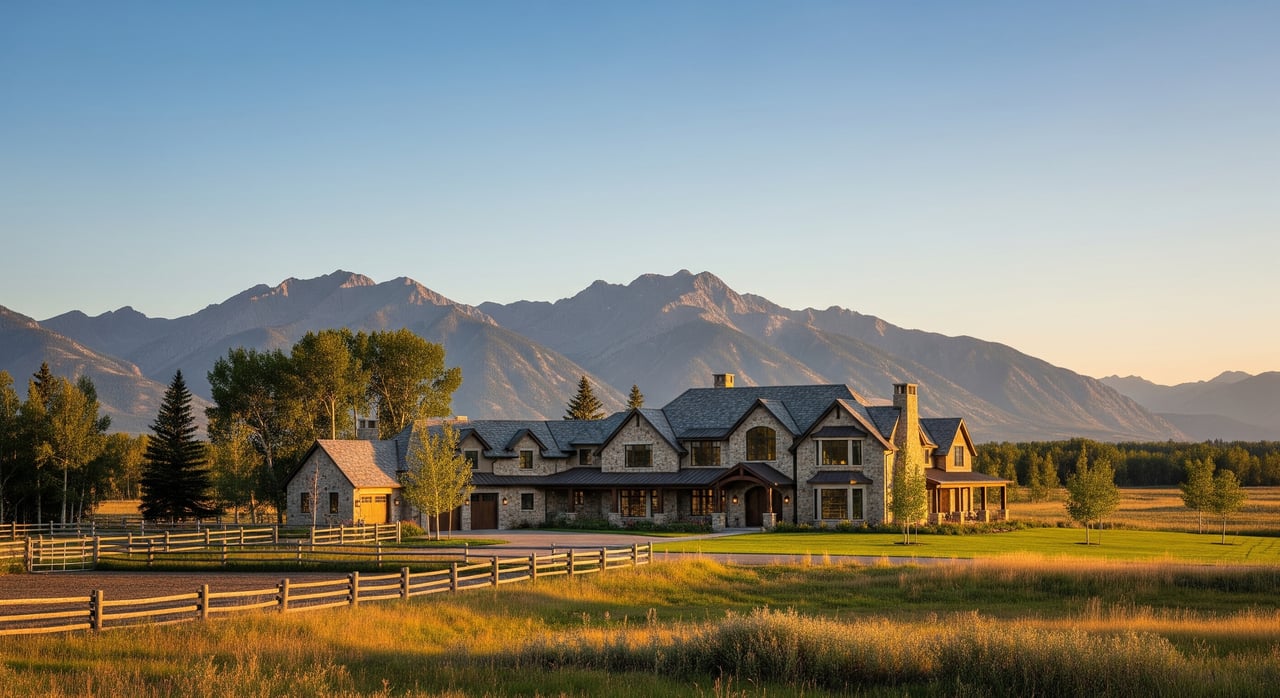
Are you torn between the space of an acreage and the convenience of an estate home in Calgary? You want privacy, design flexibility, and a smart long-term investment, but the service levels and rules can feel complex. In this guide, you will get a clear, side-by-side look at what each option really means for daily life, costs, permits, and resale. You will also get a practical checklist to simplify your decision. Let’s dive in.
Estate home vs. acreage: what they mean in Calgary
Estate homes are high-end single-family properties inside or near the City of Calgary on larger-than-average urban lots. They are usually connected to municipal services and follow city residential zoning. For rules and definitions, review the City’s Land Use Bylaw and the City’s development permit process.
Acreages are rural or semi-rural properties that typically sit on multiple acres. Many lie in nearby counties like Rocky View or Foothills, though some exist within city limits. Acreages often rely on private water wells and on-site septic systems and follow county rules instead of city bylaws. Alberta provides standards for on-site sewage systems and private water wells.
In short, estate homes offer urban convenience and predictable services. Acreages deliver more land and privacy, with added responsibility for infrastructure and maintenance.
Services and utilities you will live with
Water and wastewater
- Estate homes: Typically connected to city water and sanitary sewer, billed through municipal utilities. The City outlines service details on its water and wastewater services page.
- Acreages: Often use private groundwater wells and on-site sewage (septic fields or treatment systems). Review Alberta’s rules for on-site sewage and private wells to understand testing, approvals, and maintenance.
If you find a large parcel within city limits, confirm whether it is on municipal services or still using older private systems that may require upgrades or connection.
Roads, snow, and access
- Estate homes: City-managed road maintenance and snow clearing, with predictable schedules.
- Acreages: Roads may be gravel or chip seal with county or private maintenance. Long private driveways add time and costs for snow removal and grading.
Power, gas, and connectivity
- Electricity and gas service areas overlap, but rural connection distances can increase fees and timelines. Check providers such as Enmax for connection and service information.
- Internet and cell service are reliable in most of Calgary. Rural coverage can vary by address, so verify bandwidth, latency, and backup options early.
Waste, mail, and schools
- City addresses usually get curbside garbage and recycling. Rural locations may use transfer stations or private pick-up.
- Mail delivery and school bus routes differ by address. Confirm the specific arrangements for the property you are considering.
Rules, permits, and zoning
Inside Calgary
City parcels follow the Calgary Land Use Bylaw. Zoning controls density, setbacks, accessory buildings, and secondary suites. Many exterior remodels or additions require a development permit and a building permit. Some sites also sit within tree protection, flood, or heritage overlays that add conditions to your plans.
In nearby counties
Acreages are typically regulated by county land-use bylaws and area plans. Districts such as country residential outline rules for outbuildings, livestock, and subdivision potential. Start with county planning resources like Rocky View County’s planning page, then confirm the exact designation and what it allows before you design or build.
Environmental and hazard factors
Flood, wildfire, and contamination
- Flood: Calgary maps its flood hazard areas, which can limit development or require mitigation. Review your address using the City’s flood maps.
- Wildfire: Acreages in the wildland-urban interface should follow FireSmart practices. See FireSmart Canada for guidance on vegetation management and building materials.
- Contamination: Former agricultural uses or fuel tanks can prompt environmental reviews, especially on larger rural sites.
Easements and mineral rights
Many rural parcels carry utility easements or pipeline rights-of-way that limit surface use. In Alberta, mineral rights are often separate from surface title. Review the province’s overview of mineral rights and have your lawyer check title for easements, caveats, and right-of-way documents.
Lifestyle and design tradeoffs
Estate homes give you luxury finishes, a manageable yard, and quick access to city amenities, design showrooms, architects, and trades. The lot is generous by urban standards, but not expansive. Daily life feels streamlined with consistent municipal services.
Acreages offer scale, privacy, and room for specialized features like larger gardens, workshops, or equestrian uses, subject to local bylaws. You also take on seasonal tasks and vendor coordination for wells, septic systems, driveways, fencing, and larger-scale landscaping. Plan for more active property management and occasional waits for specialized rural trades.
Cost of ownership in practice
Every site is different, so build a five-year operating budget for your shortlist. Here are common categories to include.
Estate homes (city):
- Municipal property taxes and utility fees for water, sewer, and stormwater.
- Typical urban maintenance such as roofing, landscaping, and HVAC.
- High-end finishes and renovation budgets common in luxury segments.
Acreages (rural or peri-urban):
- Property taxes set by the county and assessed value, which are not always lower than the city.
- Well testing and maintenance, septic inspections and pump-outs, and potential replacement over time.
- Driveway snow removal and grading, fencing, and larger yard care.
- Insurance that reflects rural risk factors and outbuildings.
Tip: add realistic allowances for utilities and vendor call-outs. In rural settings, distance and equipment needs can raise costs and timelines.
Resale and exit strategy
Estate homes in established Calgary neighborhoods typically see broader buyer traffic due to predictable servicing and proximity to amenities. Acreages attract a more specific audience that values privacy and land, which can mean a smaller buyer pool. Site specifics like access, services, and nearby land uses can have a stronger influence on value for acreages.
Your due diligence checklist
Use this checklist to evaluate both options with confidence.
- Title and legal:
- Pull current title and review easements, caveats, and restrictive covenants.
- Confirm surface title versus mineral rights, and the status of any utility or pipeline right-of-way.
- Site and services:
- For acreages, obtain well logs and water tests, plus septic records and inspection.
- Check slope, drainage, and any flood mapping for the address.
- For older large-lot properties, verify if municipal connections are available or required for redevelopment.
- Operations and costs:
- Request utility information and any connection or assessment charges.
- Get quotes for snow removal, landscaping, fencing, and well or septic servicing.
- Confirm garbage and recycling practices and mail delivery.
- Planning and permits:
- Verify land-use designation and what it allows for accessory buildings and suites.
- Ask about subdivision potential and any area structure plans that could change the context.
- Insurance and emergency services:
- Obtain quotes that reflect outbuildings and site risks.
- Confirm fire response and follow FireSmart guidance for mitigation on rural properties.
- Community and lifestyle:
- Visit at different times to understand traffic, dust, and neighbor uses.
- Confirm commute patterns, winter road conditions, and bus or transit options.
- Professional team:
- Engage a real estate lawyer, building inspector or engineer, and qualified well and septic specialists.
- Work with an agent who knows both Calgary estate neighborhoods and surrounding acreage markets.
Which option fits your goals
Choose an estate home if you want luxury living with city reliability, faster permitting pathways, and easier day-to-day maintenance. You will trade acreage-scale land for convenience, shorter service timelines, and predictable costs.
Choose an acreage if you value privacy, land-based amenities, and design flexibility within county rules. Plan for hands-on property management, a deeper due diligence process, and variable service standards.
How Bearspaw Real Estate helps
You deserve a design-aware partner who knows both sides of the market. Our boutique team specializes in Calgary estate homes, Bearspaw, Springbank, and Northwest acreages. With development, commercial, and architectural insight, we help you read the land-use maps, assess servicing, plan site improvements, and budget long term. Our white-glove, media-first approach also positions your property for a premium result when it is time to sell.
Ready to compare specific properties, tour neighborhoods, or review a due diligence plan tailored to you? Connect with Bearspaw Real Estate to Request a Luxury Tour.
FAQs
What is considered an estate home in Calgary?
- A high-end single-family residence on a larger-than-average urban lot, typically within city limits and connected to municipal services under the City’s Land Use Bylaw.
What defines an acreage around Calgary?
- A rural or semi-rural property on one or more acres, often outside full municipal services and typically using a private well and on-site sewage system under Alberta standards.
How do water and sewer differ between estate homes and acreages?
- Estate homes usually connect to city water and sewer, while acreages rely on private wells and septic systems subject to Alberta’s on-site sewage rules and private well guidance.
What permits might I need for renovations or new builds in Calgary?
- Many exterior projects require a City of Calgary development permit and a building permit; rural counties have their own processes.
How do flood or wildfire risks affect property choices near Calgary?
- Floodplain status can restrict development or require mitigation, and wildfire risk is higher in rural interfaces. Check the City’s flood maps and follow FireSmart practices.
What should I know about mineral rights and easements on acreages?
- Surface title may have registered easements or rights-of-way, and subsurface mineral rights are often separate; review Alberta’s overview of mineral rights and have your lawyer check title.